
Meet the Makers Across the Alps and Adriatic
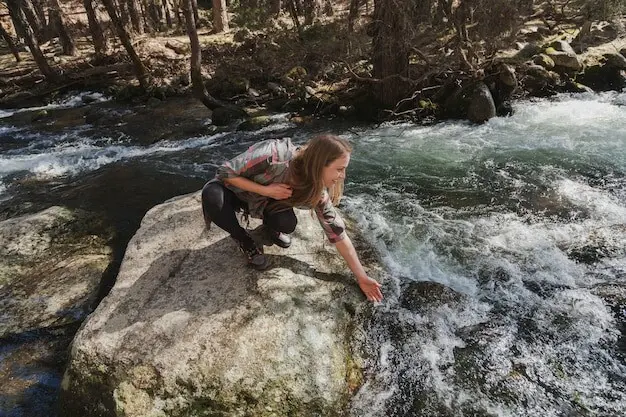
Come along as we journey from timbered valleys to sunlit salt flats, setting out to meet woodworkers, weavers, cheesemakers, and salt harvesters across the Alps and Adriatic. We listen, learn, and lend our hands where invited, discovering how landscapes, materials, and memory shape enduring crafts that nourish communities, kindle pride, and invite visitors to slow down, taste, touch, and truly see the work behind everyday beauty.

Paths Through Peaks and Shores

From high passes humming with cowbells to calm lagoons brushed by sea breeze, this route sweeps through villages where craft is not a spectacle but a shared rhythm of living. Workshops open like kitchens, tools rest like familiar cutlery, and stories unfurl over steaming mugs, reminding us that skill grows from patience, place, and the gentle pressure of many tried-and-true gestures.

Materials of Place

{{SECTION_SUBTITLE}}

From Forest Stewardship to Workbench

Selective felling, horse logging, and careful seasoning transform living trees into trustworthy boards. In stacked piles, wood dries slowly under slate roofs, sap sighing away while fibers relax. At the bench, moisture meters confirm patience, and joints are sized to move with weather. Offcuts heat stoves, shavings mulch gardens, and sawdust cushions paths, closing circles with frugal, respectful ingenuity.

From Field and Fleece to Shuttle

Hardy sheep wander stony pastures, combing mountainsides into blankets of usable fiber. Nearby, flax ripples like pale water, then dries into straw ready for rippling, scutching, spinning. In small rooms, fingers draft twist into strength, turning clouds and stems into thread. The shuttle later flies, guided by callused palms that know every hitch, squeak, and promise of the loom.

Hands, Tools, and Rhythm

Craft endures where movement becomes music—repeatable yet responsive. Planes glide, looms thrum, ladles circle vats, and rakes draw neat lines in wet salt. Each tool extends the hand while teaching limits, inviting patience rather than brute force. The cadence of practice steadies nerves, reveals mistakes early, and builds confidence that only grows by showing up, day after day.

The Last Axe of a Mountain Carpenter

He keeps an axe head older than himself, rehafted three times, edge dressed with a river stone. When he swings, chips leap bright as birds. He teaches that honing is caring, that pausing to sharpen saves wood and temper alike, and that a tool remembers its owner’s habits, nudging hands toward straighter swings, kinder choices, and worthy joints that never shout.

The Weaving Beat That Tells Time

Listen: treadles, beater, shuttle—left, right, draw—again. Hours pass not by clocks but repeats and finished repeats. When threads snarl, the weaver laughs softly, lifts them free, and sets tension true. That small correction teaches resilience: patterns forgive, fabric forgives, and a steady hand can transform near-mistakes into accents that make the cloth sing truer than perfect diagrams.

Copper Vats, Wooden Ladders, Stone Caves

In the dairy, tools are humble but legendary. Copper holds heat evenly; wood hosts helpful microbes; stone breathes moisture like a careful guardian. The maker learns to trust the room’s whisper—temperature nudges, curd breaks, rind squeaks—because instruments advise, but senses decide. Over years, hands become thermometers, noses become barometers, and judgment ripens like wheels resting in the dark.

Tastes, Textures, and Stories

We sit on a workbench polished by years of elbows, sharing soup from an enamel pot. The carpenter breaks cheese with the same steady hands that fit dovetails, then passes a knife that belonged to his grandmother. Between spoonfuls, we trace knots on a door panel and realize each swirl is a diary entry, written in rings, read with bread and patience.
On the coast, a salt worker tips a paper cone, letting crystals fall like tiny stars onto olive oil. The first bite crackles, then lingers with unexpected sweetness. We learn to season late, sparingly, so ingredients speak in their own voices. Wind skims the flats, the sun sets like a slow drumroll, and conversation loosens into comfortable, grateful silence.
In the cave, lamps glow amber across wooden boards. We taste young wheels, hopeful and milky, then older ones that feel like carved stone yielding to warmth. The maker speaks of storms, lean summers, and neighbors who came with hay when the tractor failed. Gratitude travels quickly along shelves, bridging effort and appetite until every crumb seems like a handshake.

Routes, Customs, and Care

Visiting makers is a privilege that begins with courtesy and ends with mutual respect. Call ahead, arrive on time, and be ready to step aside when work demands attention. Ask before photographing, offer to pay for tastings, and listen more than you speak. Remember that the busiest seasons are also the most beautiful, so kindness matters as much as curiosity.

How to Ask, When to Listen

Introduce yourself clearly, explain your interest, and honor a no without pressing. During demonstrations, hold questions until pauses appear; then ask simply, thanking the answer. If gifted a taste or sample, receive it as you would a favor from a friend. Listening builds bridges faster than enthusiasm alone, and humility often unlocks stories that signs and brochures never hold.

Seasonality, Weather, and Safety

Mountain weather flips like a coin; coastal heat concentrates salt yet drains energy. Plan with maps, layers, and water, letting conditions shape your day rather than ego. Respect animals, tools, and wet floors. If storms gather, reschedule; the work will still be there. Makers notice visitors who choose prudence over drama, and doors open wider for those who keep themselves safe.

Buying Direct, Paying Fairly

Handmade goods carry hours of skill you do not see. When purchasing, ask about materials and care, then pay the stated price without bargaining down the living of a neighbor. If budgets are tight, choose smaller items or seasonal offerings. Share recommendations, leave thoughtful reviews, and consider subscriptions or preorders that help workshops plan calmly across winters and uncertain harvests.

Carry It Forward

Bring curiosity, a notebook, and a small cloth bag for treasures. Leave room for a bar of soap that smells like hay, a spoon that remembers its branch, or salt that reminds you of wind. Objects carried home should invite use, not dust. Let them absorb your daily life, returning stories each time your hand reaches out without thinking and finds them waiting.
Share your questions, recommendations, and travel wisdom in the comments so others can learn from your road-tested moments. Which dairy welcomed you warmly? Which weaving cooperative offered workshops for beginners? We read every note, reply when we can, and use your insights to plan future stops, building a living map that honors both makers and mindful travelers like you.
Consider a short course in spoon carving, a weekend at a weaving studio, or a volunteer shift during salt harvest. Showing up changes understanding faster than pages can. If you return, bring friends respectfully, spread out purchases across seasons, and celebrate small improvements. Continuity sustains crafts, and your steady presence can become part of a hopeful, hardworking local story.
Tarifaridavo
Privacy Overview

This website uses cookies so that we can provide you with the best user experience possible. Cookie information is stored in your browser and performs functions such as recognising you when you return to our website and helping our team to understand which sections of the website you find most interesting and useful.